Create your own “home”
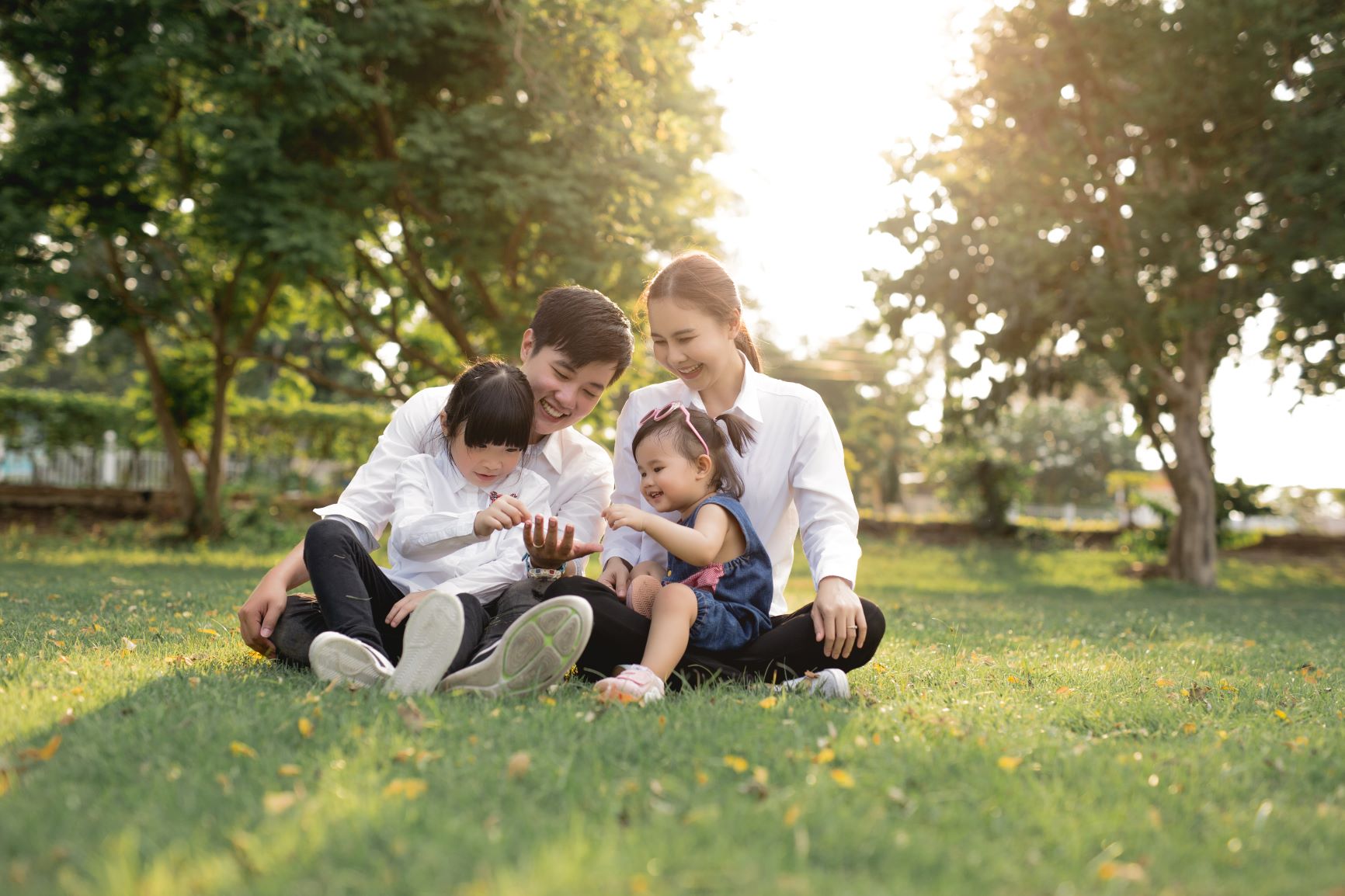
It is believed that many people have a lifelong wish to live in comfort and peace – during their lifetime – in the home of their dreams. It is worth noting that people only can envision the actual house they live in, but have no idea of where they will spend eternity after they die.
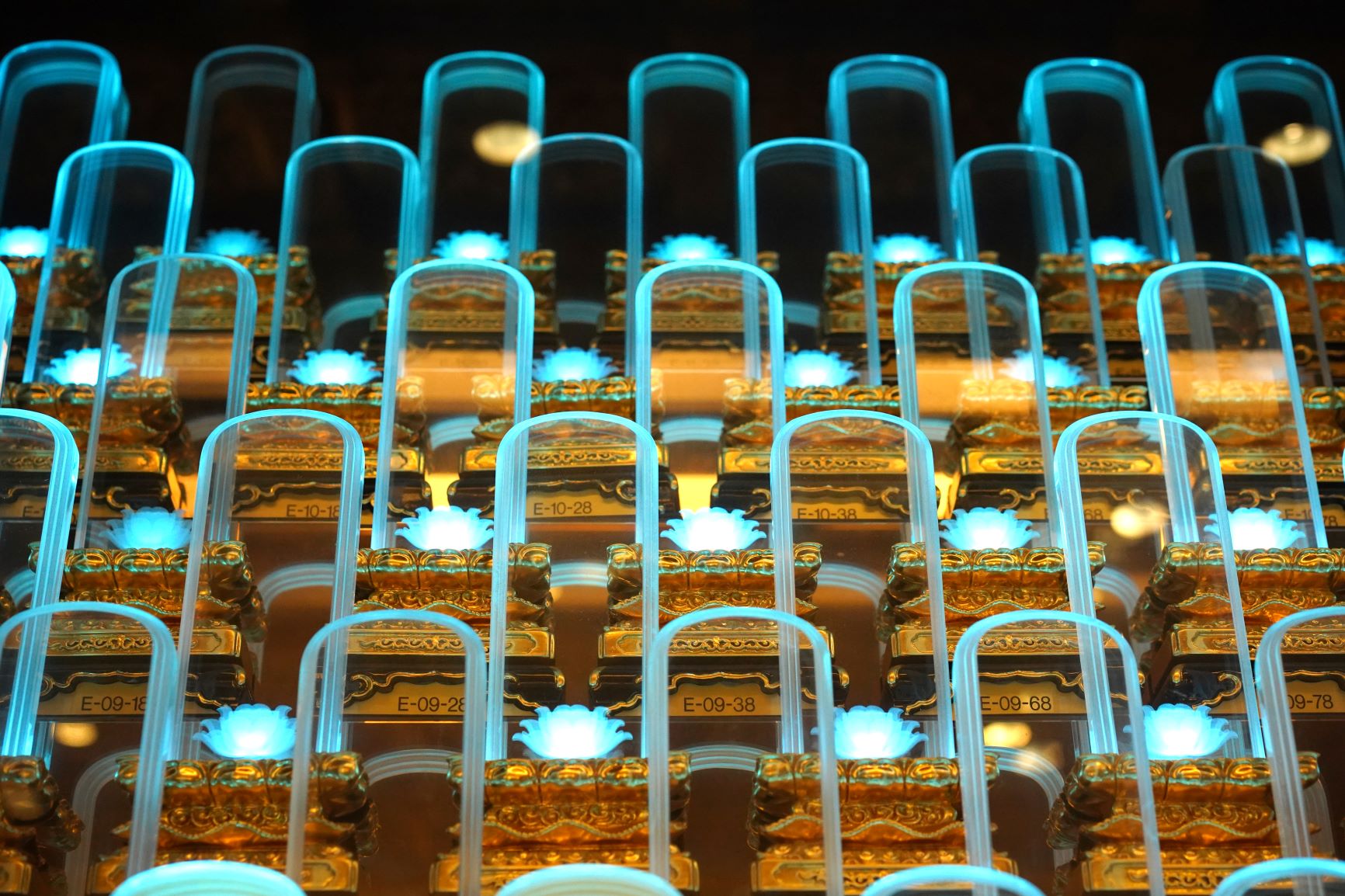
In fact, there are two types of houses that people will live in during the course of their existence; the Yang house when they are alive, and the Yin house after death. Just think about it. If the place you’re spending eternity is cold, miserable and overgrown with weeds after a century, you will not be able to rest easy. Just as in real life, we work hard to earn money to purchase a good house, we can also plan ahead for our own residence after death; that is, the modern trend of the “memorial park” ideal.

What is a memorial park
There are many names for a place of eternal rest. The people in the industry call it “Feng Shui (plot)” and some call it the “eternal mansion”. Others may simply call it a cemetery, or “memorial park” being one of the more elegantly termed names. Such designations subvert stereotypes about the appearance of traditional places of interment and offer an emerging concept that provides more freedom and creative imagination to final resting places.
Everyone has the right to design their own home, including their final resting place. Modern people tend to be more open in their thinking and they no longer observe taboos. Hence, the number of people who designed their own final resting places before death in recent years has doubled. Thus, their wishes can be achieved without having to burden their children in the future.


When old traditions meet new trends
There are four basic elements in traditional Chinese tombs; namely the tombstone, the longevity altar, the earth deity, and the tomb bed. The tombstone functions like the house number and it records detailed information of the tomb occupant. The longevity altar and the incense burner on it are the necessary tomb platforms for future generations to place offerings during ancestor worship. In addition, each tomb has its own earth deity, the guardian deity of the tomb. The most important element is the where the occupant of the tomb rests – the tomb bed – which is generally aligned with the tombstone.
Most people don’t give too much thought about tomb design. In this era of art and aesthetics, tomb design can be a perfect blend of traditional forms and creativity to meet the changing needs of times.
Nirvana Asia Group – a leading company in Malaysia – follows tradition while injecting new elements into the design of tombstones. Its unique and beautiful forms are more conducive to the Feng Shui needs of future generations. For example, the common tombstone is rectangular; but the tombstone of the famed singer, Bai Guang is round. It had since inspired many visitors to follow suit and design their own tombs. Tombs are about harmony, so it can be as colourful as desired as long as it avoids design elements that are sharp.

Usage of quality materials to reflect the beauty of the memorial park
A good memorial park can nurture good Feng Shui. Nirvana Asia Group strives to create a memorial park filled with artistic flavour and also focus on design aesthetics through the use of quality materials to create many tombs with unique forms and styles.
Early tombs were mostly constructed with stone bricks. Today, the usage of granite is not uncommon in tombs. Against the backdrop of granite, the tomb not only looks fresh and elegant, but the surrounding ambiance is more vibrant and attractive for visitors. Additionally, the durability of granite means fewer maintenance issues and granite also becomes more beautiful through time. This is especially beneficial for those who install Sheng Ji who are concerned about damage or dilapidation after a long time. Granite is the solution to this problem.


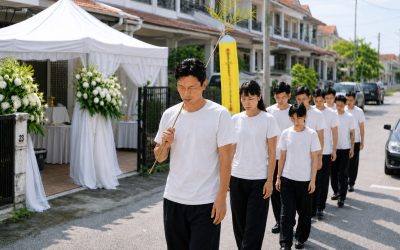
What Are “Carrying the Soul Banner” and “Buying Water” in Chinese Funerals?
In Hokkien Taoist funeral rites, after the Taoist priest begins the first-day ceremony by opening the altar and summoning the soul, a ritual of “bathing” and “offering food” is performed.
The Traditional Custom of “Bringing the Deceased Home as a Living Person” and the Modern Way of a Complete Farewell
For elderly family members who unfortunately pass away due to various circumstances, such as while travelling or in the hospital, the family may perform the custom known as “Bringing the Deceased Home as a Living Person”.

Nirvana Center Ipoh: A Jewel upon the Crown of the Tin Capital
Enter a theatre and you watch a fictional script; enter a memorial centre, and you witness real lives. Every farewell ceremony is like the premiere of a documentary. The departed is the protagonist, friends and relatives the audience. In a warm, bright memorial hall, people no longer only weep, but, amidst soothing music and fragrant flowers, look back on an ordinary yet great life.
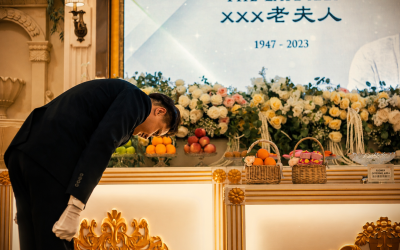
The Farewell Ceremony – Every Step is Part of Saying Goodbye
Before the funeral rites begin, the ritual of covering the deceased is performed. The mourning family covers the deceased with a ceremonial blanket, symbolising a final gesture of protective care and tender closeness.
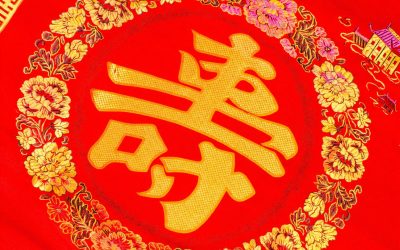
Returning to Roots, Leaving an Eternal Legacy: Understanding the 4 Common Types of “Burial Blankets” and Their Profound Meanings
“Fallen leaves return to their roots; blessings shelter the descendants forever.” The patterns and colors of a burial blanket are never chosen at random. Each design carries the profound blessings, gratitude, and longing of the living for the departed. Today, we explore the four most common types of burial blankets in Malaysian funeral customs and the deep meanings behind them.

Bidding Farewell Without a Heavy Burden: Navigating the “Beam Over the Coffin” Taboo in Home Funerals and Its Solutions
According to traditional customs: The entire coffin (from head to toe) must completely avoid being directly underneath a beam. This means that when designating the resting place for the coffin, you must ensure that neither the head nor the foot of the coffin falls under the shadow of a beam.
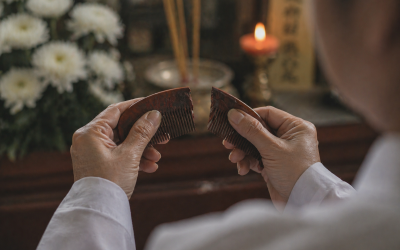
When This Moment Arrives, Love Takes a Different Form to Endure
“Splitting the Comb” is a ritual in Chinese funerals. When a 3 passes away, before the burial this ceremony is performed to symbolize the complete conclusion of the marriage. In the ritual, the deceased’s hair is combed, and then the comb is split in two — representing the separation of yin and yang, each walking their own path.

An Eco-friendly Escort, A Gentle Farewell
Unlike traditional fuel vehicles, they require no roaring engines, no noisy exhaust. Powered by electricity, they move silently, like flowing water, escorting each step of departure.
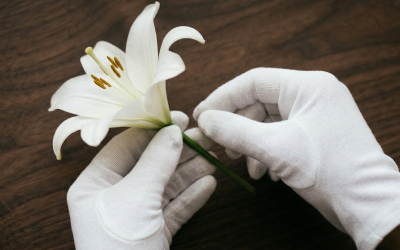
Funeral Planning is One of Life’s Most Important Ritual
Plan a funeral in advance is first an act of foresight in love. When a loved one passes suddenly, grief often overwhelms families, leaving them little capacity to manage complex arrangements. Without pre-planning, rushed decisions may carry regret.