
Group Photo
Samantha Ho, Nirvana Care
Translated by: Colin Kuan
With changing times, children nowadays are able to expertly shoot videos with their cell phones, and most the older generation are also able to make good use of the built-in camera to take pictures and send them on online chat groups to share their joy.
Some time ago, I went back to my mother’s house and inadvertently stumbled on an old photo album. When I leafed through it, I felt as if I had revisited my own past through the photos. I was thinking how precious each photo was in the old days when we didn’t have a cell phone camera. If I remembered correctly, the old-school Kodak photography film could take about 36 photos. After shooting, you would want to take it to the photo studio immediately to be developed. It also took several days, and each time you get back the results of those photo moments is full of anticipation.

This reminded me of the time when my mother asked, “Your baby can crawl, is it not time to take him to the photo studio to have his picture taken?”
At that time, I was thinking I already have plenty of photos in my phone’s album. Before I had the chance to respond, my mother pointed at the individual baby photos (of us four siblings) hanging on the wall. I realised that what my mother was referring to was the traditional studio photo shoots of the old days, where a red cloth was laid on a table against a blue backdrop with just one change of clothes. The baby was simply told to get down, guided to look at the camera and the shutter just clicked away! Thus, the result was the cute baby photo. The first time a child lifts his or her head, the first crawl, and the first time he or she stands up, are all precious moments in the eyes of parents. Each milestone of progress and growth are wonderful moments every parent would want recorded by way of photographs.
Our brains can only remember a very limited number of things, so we preserve memories – whether happy and unhappy – through photos. I once conducted a case, and after the service, a family member asked, “Can we take a picture in front of the funeral parlour?”
“Of course you can!” I replied.
The family member further divulged that they did not have the opportunity to have a family portrait taken when their father was still around, and this was the first and last time they would take a family portrait with him. Upon hearing that, my nose had a case of the sniffles and my heart felt a little heavy; because I myself did not have the opportunity to have a family portrait taken with my father.
I believe that every experience or feeling brought on by the memorial service is guiding and leading me on a journey of personal growth. After that day, I came home to play videos and look at photographs of my late father’s funeral ceremony. All at once, the memories came flooding back to me. I’m sure many family members have felt the same way as I did. After a loved one passes, we don’t want to look through a photo album containing pictures of the departed or dare play a voice recording left by the said person – even when we miss him or her – because we know that once we hear that familiar voice, we will feel sad and may even want to flee from our grief.
On another occasion, a family member told me that he hoped that his mother’s funeral service would not have a gloomy atmosphere, and that it would be better instead for it to be warm and cosy. In the midst of it, we also managed to communicate and he said something that impressed me:
“We will still miss Mum in the future, and we will open Mum’s albums and recall her voice whenever we have time,” he said, “Because this is the greatest connection we have to her.”
As I listened to him, my heart wanted to thank this person because he reminded me that whenever I think of my late father and get sad, I am also connecting with him in heaven.
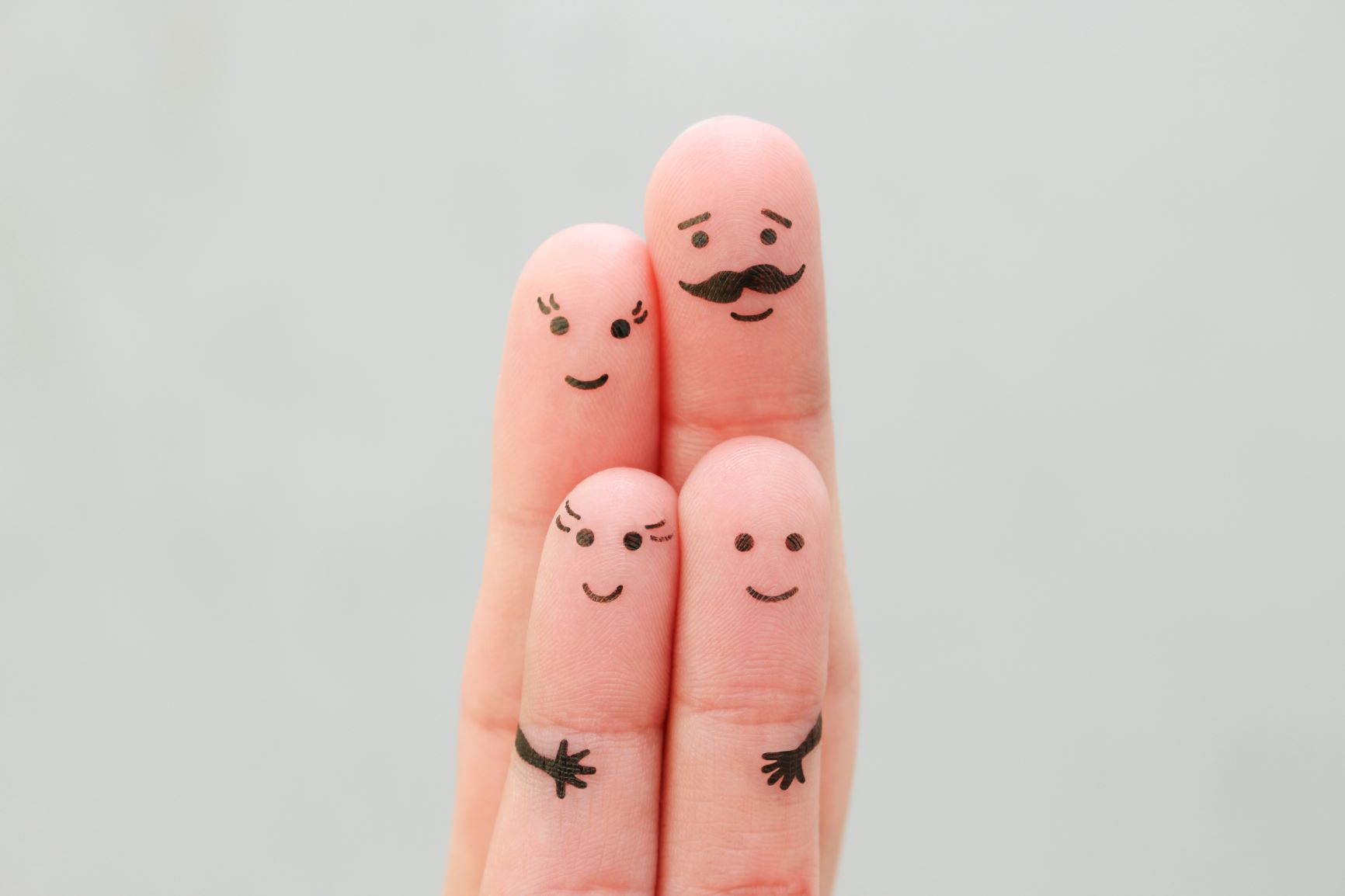
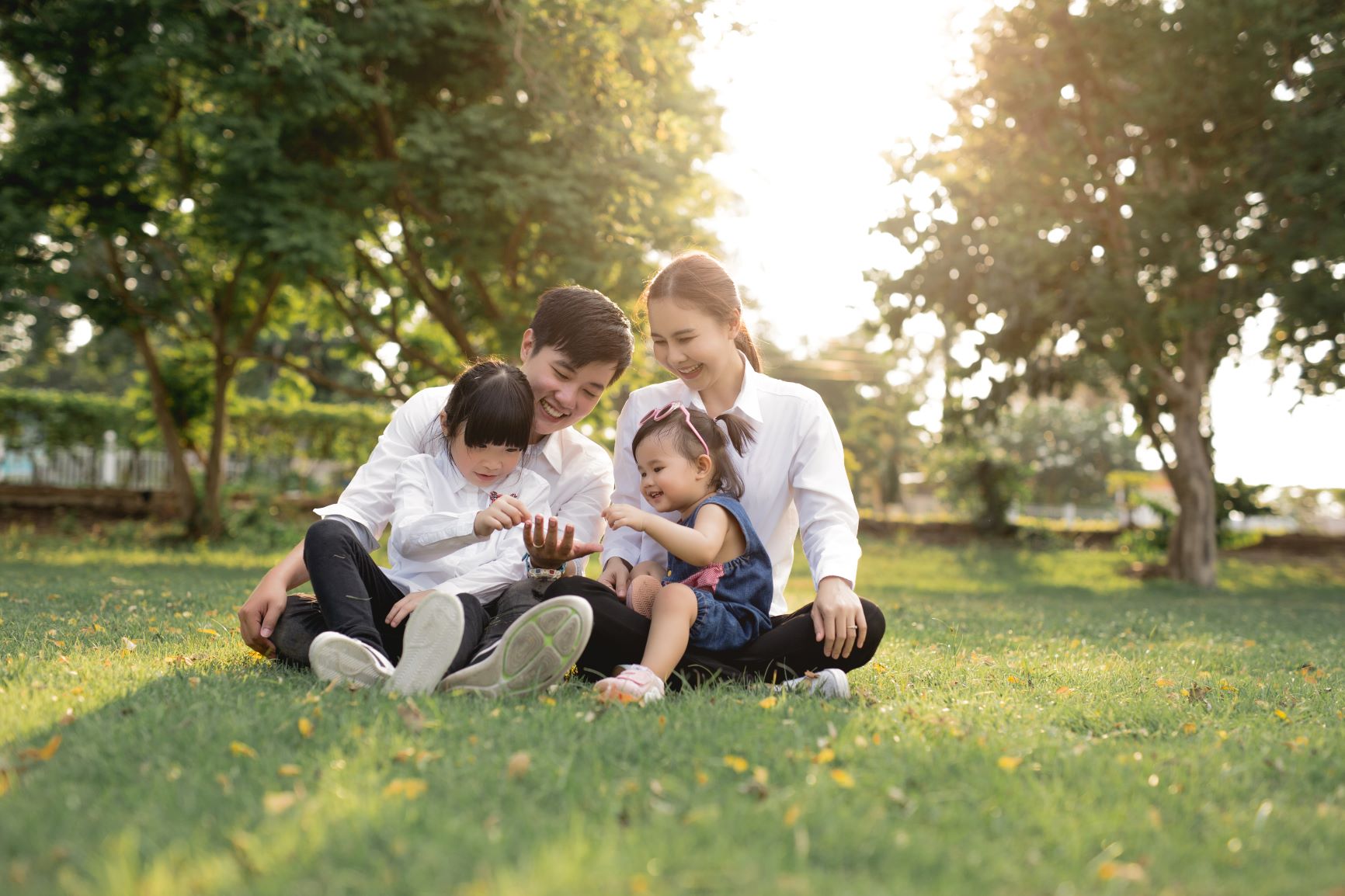
The photographs record our memorable moments and leave precious memories for numerous families who miss their loved ones.
About the author
Samantha Ho of Nirvana Care’s Ritual and Culture Management Department is passionate about funeral practices, treating people with sincerity and serving families as if they were her own. She is a resourceful member of the team, has a big heart, and loves to share delicious food with others. Samantha is fluent in Mandarin and English languages, as well as the Cantonese and Hakka dialects.
What are the differences between longevity extension and prayers for blessings talisman paper, enlightenment ceremony spirit talisman paper, and joss paper?
At Nirvana-related ritual ceremonies, red talisman papers are dedicated for the living during the “Medicine Buddha Calamities Dispelling, Longevity Extension and Prayers for Blessings Ceremony” to pray for life extension and enhancing fortune; while yellow enlightenment ceremony spirit talisman paper are used for spirit altars for the liberationt of the deceased. Both of these papers require the writing of a name. Joss papers, on the other hand, are offered as currency for the afterlife and do not require a name to be written on it.

What does a bereavement care services company do?
Nirvana Asia Group operates a 24-hour service careline. When bereaved families reach out to us, our personnel will gather essential information — such as the place of death, religious beliefs, the preferred location for funeral arrangements, and any specific family requirements — and walk them through every subsequent step. If a pre-need funeral plan (Nirvana Life Plan) is already in place, we will assist in verifying the relevant details.
“Where Did Grandpa Go?”: Talking to Children About Death
When my daughter asked, “Why did Grandpa die when his time came?”, this question was truly harder to answer than, “What does death mean?”. Yet, it is a common question among children – especially those who have experienced the loss of a loved one.

What leads the way is not just a vehicle —it is an entire industry
The vehicle at the very front of a funeral procession is what we call the “dragon hearse.” It is the lead vehicle, responsible for clearing the path and guiding the route, allowing the coffin hearse and the funeral procession behind to follow.

How to Apply for a Death Certificate in Malaysia: Required Documents and Collection Guidelines
Following the passing of a loved one, the death must first be verified by a hospital or relevant authority. Once the family has obtained the necessary documentation, they must follow the prescribed procedures to register the death and collect the Death Certificate. Known in Malay as “Sijil Kematian”, the Death Certificate is issued by the National Registration Department (Jabatan Pendaftaran Negara or JPN). It serves a different purpose from a Burial Permit or a Medical Certificate of Cause of Death.

Throughout Nirvana Asia Group’s journey, the only constant has been continuous evolution.
In the early days of Malaysia’s funeral industry, services largely adhered long-established practices. As times and lifestyles changed, people’s expectations for life’s final journey began to differ. Amid these changes, Nirvana Asia Group has gradually improved the overall funeral service experience — from transport, etiquette, and spaces to service processes.
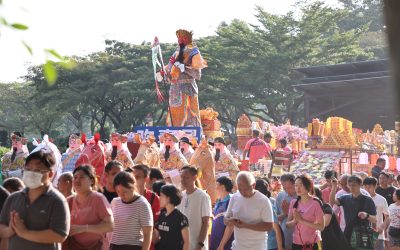
What is the Enlightenment Ceremony?
In Buddhism, the Enlightenment Ceremony refers to rituals — such as the teaching of Dharma, chanting of sutras, recitation of the Buddha’s name, and the performance of meritorious deeds — dedicated to helping the deceased transcend suffering, attain happiness, and be reborn in a favourable realm.
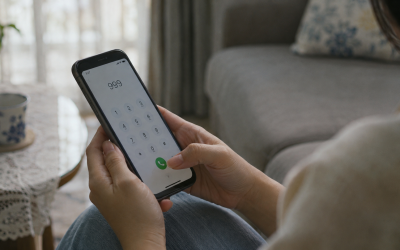
What to do after a loved one passes away in Malaysia?
. If a loved one suddenly collapses and is unresponsive, and death has not yet been confirmed, you should first call 999 and follow the operator’s instructions.

We are getting more savvy at calculating – yet somehow, we never take this into account?
If your phone still works, you can hold off replacing it. You can skip the holiday trip. A thing you like can ultimately be left not purchased. However, end-of-life matters are a little different. Not pre-planning today doesn’t mean it won’t need to be handled in the future—it just defers the expense and the decision to an undetermined tomorrow.
I’ve Always Been a Crybaby
When I was 20, I was diagnosed with cancer and underwent treatment. After having my thyroid removed, I had to take thyroid hormone medication for the rest of my life. That experience taught me how to live with illness.